Intermediate📖 20 min read🏷 Risk Management
THE PSYCHOLOGY OF RISK
SHARE FREE:
Managing Trading Emotions with Observable Rules
ICT Flow EditorialIndependent educational resource
This lesson explains concepts commonly taught in ICT/SMC trading education and presents them as frameworks to study and test. Chart patterns cannot independently prove institutional intent, future price delivery, or profitability. Examples and rules are educational, not trading advice.
Read our editorial standards →Fear, greed, frustration and overconfidence can affect trading decisions, but their impact varies by person and situation. A useful psychology process identifies observable behaviors—such as moving a stop, skipping a valid setup, or increasing size after a loss—and ties them to a written rule. Avoid unsourced percentages about the share of traders who fail or how strongly losses are felt.
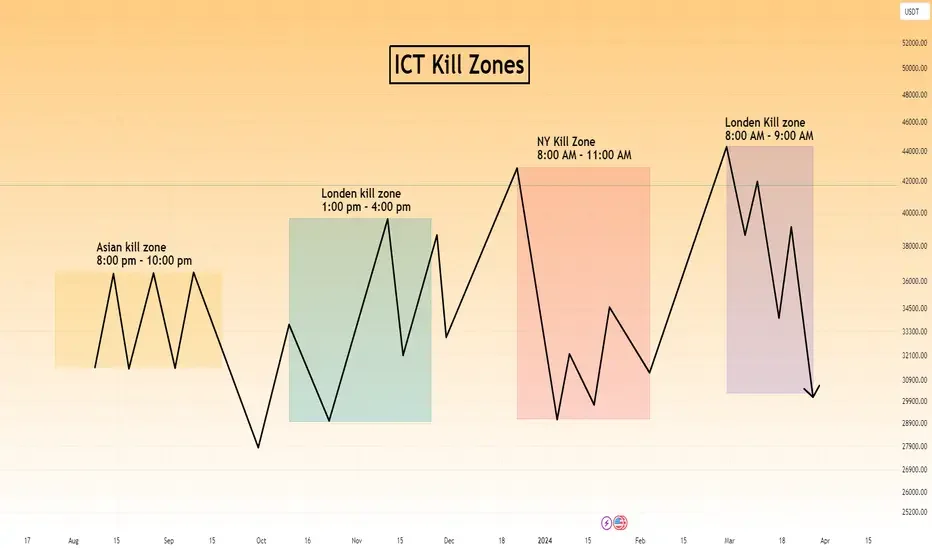
Trading psychology affects decisions, but its impact varies by person and context
// Lesson Content
Trading discussions often group decision-making problems under fear, greed, revenge and hope. These labels can help a journal describe behavior, but they do not explain every loss and should not replace review of the setup, execution, market conditions and costs. For each trade, record whether you followed entry, stop, target and sizing rules. Separate a valid setup that loses from a process violation, and change rules only after reviewing a representative set of trades.
📌 Fear, Greed, Revenge, Hope -- the four account killers. Recognize them before they cost you money.
Common decision biases include hindsight bias, confirmation bias, recency bias and loss aversion. Their effect depends on context; avoid unsupported numerical claims about how many times stronger any emotion is. Practical controls include recording a scenario before entry, saving screenshots before and after the trade, and reviewing winners and losers by the same criteria.
📌 Confirmation, Recency, Anchoring, Sunk Cost -- the four biases that distort your market read. Know them.
Discipline can be supported by a written, testable routine. The following are examples to adapt to a specific strategy, not universal requirements:
1. DEFINE RULES IN ADVANCE
• Trade only in session windows that your model explicitly uses and that you have tested.
• Set a planned account-risk ceiling and rules for correlated open positions.
• Do not widen a stop after entry unless a documented strategy rule explicitly permits it.
• Define pause rules based on drawdown, repeated rule violations or execution problems.
• If you use setup grades or confluence counts, define them in observable terms and evaluate their effect with data.
2. USE A CHECKLIST
Check setup criteria, stop, target, risk, costs and invalidation before entry. The checklist should reduce omissions without substituting for evidence that the strategy works.
3. SET PRACTICAL BOUNDARIES
Choose a trading schedule and screen breaks that fit your life and strategy; there is no universal session-duration limit.
4. REVIEW REGULARLY
Review wins and losses by the same criteria, record execution errors and decide on one evidence-based process change at a time. Test changes separately before relying on them.
📌 Discipline is a system, not a feeling. Create rules, use checklists, set boundaries, and review weekly.
Focus on process as well as outcomes. A single win or loss does not establish whether a strategy is sound; record whether you followed the rules and review performance across a representative sample.
HYPOTHETICAL EXPECTANCY EXAMPLE:
A strategy with a 40% win rate and average wins of +3R while losses average -1R has positive arithmetic expectancy before costs if those statistics persist: (0.40 × 3R) − (0.60 × 1R) = +0.60R per trade. That is an illustration, not a forecast; fees, slippage, changing conditions and estimation error can materially change results.
After entry, follow your predefined trade-management rules rather than making impulsive changes based on each tick. Review outcomes, process quality and drawdown over time. Do not treat a fixed monthly return as a benchmark or assume compounding will occur at a constant rate.
📌 Focus on process, not outcome. Accept losses as part of the system. Think in years, not days.
Some traders use a repeatable routine to prepare, execute and review. Adapt this example to your own market, schedule and tested strategy.
PRE-MARKET (30 minutes before your killzone):
1. Check whether scheduled events affect the instrument you trade.
2. Mark candidate reference levels using consistent definitions.
3. Write a primary scenario plus alternatives and invalidation.
4. Check planned risk, open-position exposure and possible event risk.
5. Set alerts only where they support your predefined plan.
DURING TRADING (duration suited to your strategy):
1. Wait for the conditions in your written model.
2. Check observable entry criteria and any required confluence rules.
3. Calculate position size including costs and aggregate exposure.
4. Place orders and define stop, target and invalidation according to the plan; monitor as required.
POST-MARKET (15 minutes after session):
1. Record all trades in journal
2. Screenshot charts of setups (winners and losers)
3. Note any emotional decisions or rule violations
4. Update statistics spreadsheet
WEEKLY REVIEW (Sunday evening):
1. Review all trades from the week
2. Calculate win rate, average R:R, total P&L
3. Identify patterns in winning and losing trades
4. Study 5 charts where you missed opportunities
📌 The routine: Pre-market preparation -> Disciplined execution -> Post-market review -> Weekly analysis. Consistency creates consistency.
// Test Your Understanding
// KNOWLEDGE CHECK
1. Which emotion causes you to close winners too early?
2. What is confirmation bias?
3. How should you judge your trading performance?
4. What is the maximum recommended trading session length?
// What to study next
Continue your ICT journey