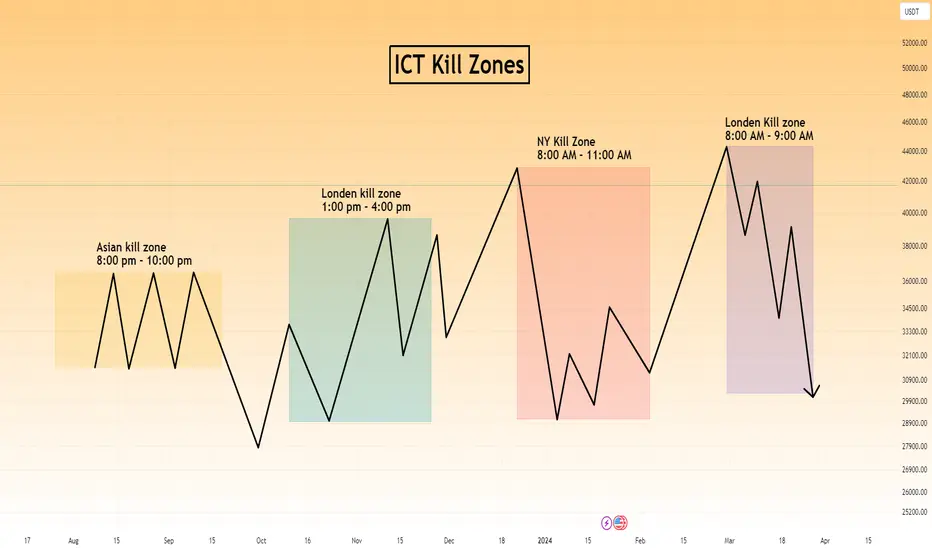
ICT One Shot One Kill: Session Limits and Rule Testing
Explore the One Shot One Kill idea as a way to limit attempts and predefine eligibility. A single-trade limit is a process choice, not evidence that one perfect setup exists or that the trade will succeed.
Framework note: ICT terms are interpretations of price action, not proof of institutional motives or a market algorithm’s intent. No setup is guaranteed. Test clearly defined rules, account for costs and slippage, and use risk limits before risking capital. Read our editorial policy.
One Shot One Kill is used in some ICT material to describe limiting attempts or focusing on a narrowly defined setup. It can be adopted as a process rule, but the name does not establish that one setup is available every session or that it will be profitable.
The One Shot One Kill Mindset
Trading outcomes reflect many factors, including strategy quality, risk, execution, costs and discipline. Do not attribute most traders' results to one behavior without evidence; review your journal for the causes of rule breaks and avoidable losses.
A one-attempt plan can require you to predefine eligible conditions and skip the session if none appears. It does not mean the best setup can be known in advance; record missed, failed and absent setups as part of the evaluation.
How to Identify the One Shot
- Complete the pre-session top-down analysis: weekly bias, daily DOL, 4-hour structure, 15-minute PD Array identification.
- Identify the single most significant PD Array that price is most likely to deliver to during today's killzone. This is your entry zone.
- Define the exact entry (CE of the FVG or midpoint of the OB), the exact stop (beyond the PD Array), and the exact target (the DOL).
- Determine the minimum R:R for the setup to qualify. ICT typically recommends a minimum of 3:1 — if the distance to your target divided by your stop size is less than 3, wait for a better entry or a more distant target.
- Commit: "I will only take this setup, and only if all criteria are met. I will not trade anything else today."
- Execute the setup if it appears. If it does not appear, close your platform and do nothing. Zero trades on days with no qualifying setup is a successful day, not a wasted one.
The One Shot One Kill Trade Template
The following is one example rule sequence, not a universal template: define higher-timeframe context, a candidate zone, lower-timeframe confirmation, invalidation and exits before entry. Test each condition rather than assuming alignment makes the setup valid.
Managing the One Shot After Entry
Trade management is not automatically straightforward after entry. If using a break-even move, partial exit or target-level rule, specify the trigger and compare it with alternatives in your journal; these choices can materially change results.
The test of your OSOK discipline: can you sit in front of your trading platform for an entire session — watching every tick, seeing apparent opportunities arise and disappear — without pressing the buy or sell button because your specific setup did not appear? That discipline is the skill. The entry model is easy. The patience to wait for the one perfect shot is the hard part — and the part that, when mastered, transforms average ICT students into consistently profitable traders.
Worked hypothetical example
A trader decides before New York that they will take at most one fully qualifying setup and will stop after that attempt regardless of outcome. No setup meets the written criteria during the window, so the trader records a no-trade day. The exercise tests adherence to a limit, not whether a single daily entry is inherently more profitable.
Failure case and what to test
A limit on trade count may reduce overtrading but does not create an edge by itself. Calling a setup perfect after it wins, or forcing one trade because the model name implies there should be one, undermines the plan.
Test checklist
- Define what qualifies as an attempt before the session.
- Track no-trade days and skipped candidates as part of the sample.
- Evaluate process adherence separately from trading profitability.
RELATED READING
Continue with guides selected for overlapping concepts and practical context.