Prop-Firm Evaluation Planning: Rules, Risk and ICT Setups
A risk-first guide to evaluating ICT setups during a prop-firm challenge. Check the current terms for your specific program and test your entry rules; no setup or schedule guarantees a pass.
Framework note: ICT terms are interpretations of price action, not proof of institutional motives or a market algorithm’s intent. No setup is guaranteed. Test clearly defined rules, account for costs and slippage, and use risk limits before risking capital. Read our editorial policy.
A prop-firm evaluation requires both consistent execution and compliance with the program's current account rules. A visually strong setup cannot compensate for a rule breach, and following the rules alone does not guarantee a pass.
Understanding the FTMO Challenge Rules
Targets, drawdown limits, reset times and evaluation stages depend on the account program and can change. Before trading, copy the current terms for your specific account into your plan, including how daily and overall losses are calculated. Do not rely on an old article for the active limits.
An evaluation can be failed by violating a binding account limit even when the underlying strategy appears sound. Avoid unsourced claims about the most common failure cause or claims that a particular entry model is naturally suited to the firm's rules. Set risk and stop-trading conditions in advance.
ICT Strategy Adapted for FTMO: The Rules
- Rule 1: Trade only during NY AM Killzone (7 AM–11 AM EST) — this restricts your exposure to the confluence-based window and prevents impulsive trades during low-liquidity periods
- Rule 2: Maximum 1% risk per trade — on a $100,000 account this is $1,000 risk. At 1:2 R:R, you need 5 winners to reach 10% profit target
- Rule 3: Maximum 2 trades per day — overtrading is the number one killer on FTMO challenges. One or two quality setups per day is more than enough
- Rule 4: Stop trading for the day after one loss — if your first trade of the day loses, stop. Come back tomorrow with a fresh perspective
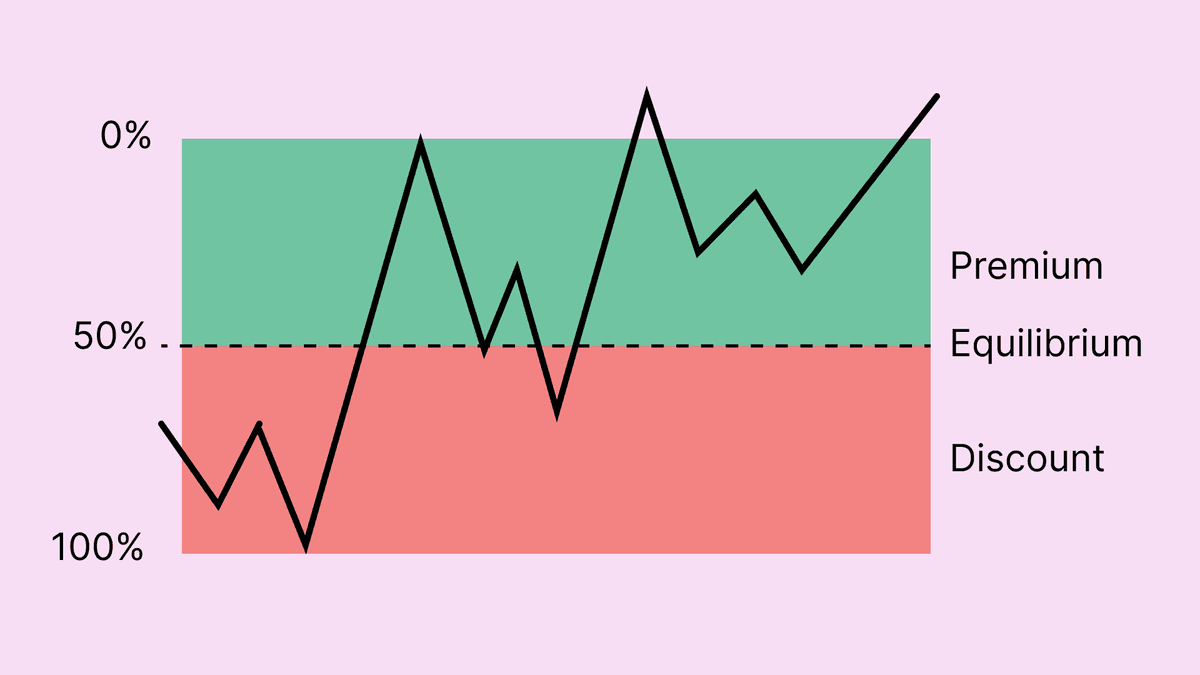
- Rule 5: Only A+ setups — HTF alignment, killzone timing, liquidity sweep confirmation, and entry into a PD array. All criteria must align
- Rule 6: Never move stop to breakeven before 1R profit — the most common way to turn winning trades into losses
The ICT FTMO Playbook: Week by Week
Avoid fixed week-by-week profit schedules. Trade only setups that meet predefined criteria, respect your risk limits, and accept that some days or weeks may produce no qualifying trade. A deadline is not a reason to increase risk.
Week 2-3 strategy: With your account protected and slightly profitable, you can begin adding slightly more trades when conditions are optimal. Still maintain 1% risk. Aim to reach 6-7% profit by the end of week 3.
Week 4 strategy: If you are at 6-7% profit with the 10% target in sight, the temptation to accelerate is enormous and extremely dangerous. Continue the same approach. There is no guarantee the target will be reached; follow the firm’s rules and avoid increasing risk to force a result. Do not increase risk in the final week.
The Best ICT Setups for FTMO Challenges
Silver Bullet and 2022-model labels are chart frameworks some traders study. Neither can be called the best evaluation setup without comparable results from fixed rules and consistent execution assumptions. Use a method you can test and follow the program's current terms.
Do not infer pass probability from an unsourced claim about when other traders fail. Keep a record of rule breaches, risk per trade, net outcomes and execution consistency; evaluate your own process over a meaningful sample.
Worked hypothetical example
A hypothetical trader reviews the current evaluation terms, writes down the daily and overall loss limits shown in the account dashboard, and sets a personal stop well inside those limits. When the day reaches the trader’s prewritten cutoff, trading stops even though another ICT setup appears. The example illustrates process control, not a recipe for passing.
Failure case and what to test
Challenge terms, drawdown calculations and prohibited practices may change, and the trader’s own risk cap does not replace the provider’s rules. A strategy that appears profitable in a sample can still violate limits during a losing sequence.
Test checklist
- Recheck the provider’s current official rules before an evaluation.
- Calculate the effect of correlated trades, fees and slippage on drawdown.
- Test the strategy across losing streaks and different market conditions.
RELATED READING
Continue with guides selected for overlapping concepts and practical context.